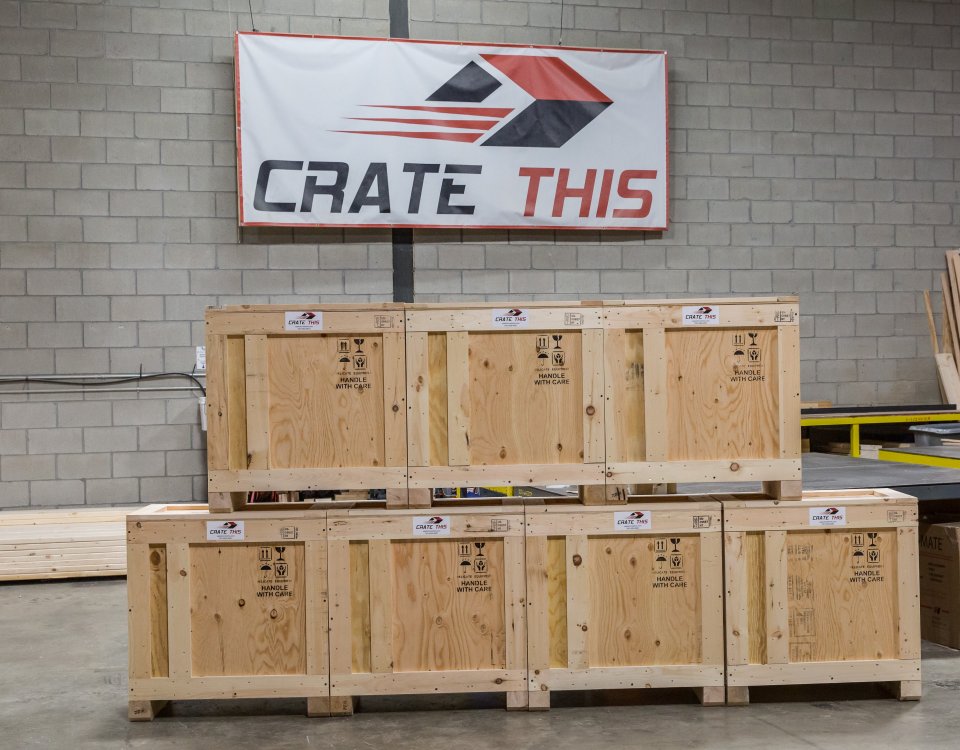
If you are preparing cargo for international shipping, a clear pre-shipping checklist is essential. The right preparation helps prevent delays, lowers the risk of freight damage, and ensures your shipment complies with global regulations from the start. One of the most effective ways to streamline this process is to partner with a trusted crating company that specializes in custom crating and export preparation.
1. Verify All International Documentation
Before any crate is built or loaded, your documentation must be complete. Missing or inaccurate paperwork is one of the most common causes of customs delays. At a minimum, businesses should confirm that their commercial invoice, packing list, and certificate of origin are accurate and finalized. Regulated items may also require special permits or certifications. Although your freight forwarder will guide you on destination requirements, your crating company plays an important role by ensuring that crate labels and supporting documents match what customs officials will expect to see during inspection.
2. Review Measurements and Shipment Details
Accurate dimensions influence almost every part of the export process, from crate design to freight pricing. Businesses shipping machinery, electronics, and heavy equipment should confirm measurements and weight before custom crating begins. This information helps engineers determine whether partial disassembly is required, how internal bracing should be designed, and what type of structural reinforcement the crate will need. Clear communication at this stage ensures that the crate fits the cargo and avoids costly adjustments later in the process.
3. Prepare the Equipment or Products for Transport
Before materials are packed or crated, they must be properly prepared for international travel. Machinery should be cleaned to remove debris or residue, and any fluids should be drained to prevent leaks during transit. Loose or movable parts need to be secured so they do not shift inside the crate. Sensitive components may require padding or protective coverings. For electronics, metal equipment, or moisture-prone materials, it is wise to ask your crating company about vapor barrier protection or VCI packaging. These solutions shield your cargo from humidity changes, which are especially common in ocean freight environments.
4. Confirm That Your Crates Meet Export Requirements
International shipping requires crates that follow strict standards. ISPM 15-compliant lumber is essential for all wood export crates, and your crating company should supply heat-treated and properly stamped materials. The crate should also include the correct internal bracing, blocking, and hardware to secure the shipment through long transport routes and multiple handling points. Clear export markings and labeling are important as well because customs officials rely on this information when processing freight. An experienced custom crating provider will design the crate specifically for the weight distribution, fragility, and destination conditions of your shipment.
5. Plan for Pickup and Handling Needs
Before the shipment leaves your facility, confirm that the site is ready for loading. This includes ensuring that forklifts, docks, or rigging support are available if needed. Scheduling the pickup time in advance and providing your crating company with any unique handling instructions will help prevent delays and keep the loading process efficient. Proper planning ensures a smooth transition from your facility to the freight carrier and ultimately to the destination port.
Preparation Creates Safer, More Efficient Shipping
International shipping becomes far easier when your team follows a clear and organized checklist. By gathering documentation early, communicating accurate measurements, preparing your equipment correctly, and partnering with a knowledgeable crating company, your business is better positioned to avoid delays and reduce the risk of damage. Professional custom crating ensures your cargo is protected throughout its journey and arrives at its destination safely and on schedule.